 Blog
Blog

Tu BiShvat, also known as the Festival of Trees or the New Year of the Trees, is celebrated each year on the 15th day of the Jewish month of Shevat. The date varies each year because the Jewish calendar is structured differently from the Gregorian calendar. In Jewish tradition, Tu BiShvat is dedicated to trees, nature and the fruits of the land.
The Offering
The origins of Tu BiShvat are connected to the Torah and the agricultural laws within Judaism. In Temple times, there were various rules regarding the giving of a portion of the land’s produce. These included regulations concerning agricultural produce given to the Levites and the payment of certain tithes. The 15th day of the month of Shevat eventually became the point at which the new annual cycle for trees was established. This was important for determining which year a tree’s produce belonged to for various agricultural and religious regulations.
The Birthday of the Trees
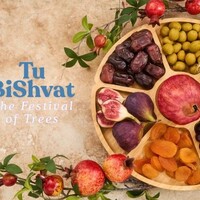
Tu BiShvat is often referred to as the birthday of the trees. This is not a birthday in the literal sense, but a figurative way of indicating that the new annual cycle for trees begins on this day. During Tu BiShvat, it is traditional to eat different kinds of fruit and nuts. Fruits associated with the Land of Israel, such as figs, dates, grapes, olives and pomegranates, have a particularly special significance. In Israel, many trees are also planted on Tu BiShvat. This emphasizes the importance of nature and the land.
Responsibility for Nature
Today, the Festival of Trees is also often associated with caring for nature and the environment. Trees are important to the ecosystem, provide shade and contribute to a healthy living environment. Planting trees has therefore become an important tradition associated with Tu BiShvat. For many people, the holiday is also an opportunity to reflect on the relationship between people and nature and on our responsibility to take good care of our surroundings.
Gatherings with a Traditional Menu
In Jewish communities, Tu BiShvat is often celebrated with family gatherings and a festive meal centered around fruit and nuts. Different kinds of fruit are eaten, both fresh and dried. In Israel, it is also customary to eat fruit associated with the land. Special attention is often given to the Seven Species mentioned in the Torah in connection with the Land of Israel: wheat, barley, grapes, figs, pomegranates, olives and dates.
For at home
You can also discover the flavors of Israel at home during Tu BiShvat. Ein Harod Honey – Citrus Blossom is 100% pure honey made from the nectar of citrus trees. Its creamy texture and full, sweet flavor make it delicious on bread, in tea or in a variety of dishes.
Ein Harod Honey – Avocado Blossom is also 100% pure and comes from avocado plantations in northern Israel. A lovely choice for discovering different flavors from Israel during Tu BiShvat.
Bnei Darom Green Pitted Olives are also a natural fit for this holiday. Olives are one of the seven species associated with the Land of Israel in the Torah.
Finally, Shiloh Olive Oil Extra Virgin makes a wonderful addition. This high-quality olive oil is made from the finest olives from Israel.
Growth and Development
Tu BiShvat is not only a holiday dedicated to trees and nature. It can also be a time to reflect on personal growth and development. Just as a tree needs time, nourishment and the right conditions to grow, people also need time and attention to develop. For this reason, some people use Tu BiShvat as a moment for reflection and to think about personal goals and growth. As a native-born Israeli, Nati is happy to tell you more about the meaning of Tu BiShvat and how this special holiday is celebrated in Israel and within Jewish communities.