 Blog
Blog

Kiddush – What Is Kiddush?
In Israel, Kiddush (Hebrew: קידוש) is an important part of Jewish life. The word Kiddush literally means “sanctification.” Kiddush refers to the blessing that emphasizes the holiness of Shabbat and Jewish holidays. Traditionally, Kiddush is recited over a cup of wine or grape juice. Shabbat begins every Friday evening, around sunset, and ends on Saturday evening. The end of Shabbat is not marked by Kiddush, but by Havdalah, the ceremony that marks the distinction between Shabbat and the ordinary week. Kiddush is intended to consciously experience and remember the holiness of the day. On Friday evening, Kiddush is recited before the Shabbat meal begins, explicitly connecting the meal with the holy day.
What Does Kiddush Mean?
Kiddush literally means “sanctification.” During the ceremony, Shabbat or a Jewish holiday is marked as a special and holy time. On Friday evening, Kiddush consists of several elements. Among other things, a blessing is recited over the wine or grape juice, and the meaning of Shabbat is reflected upon. The Friday evening Kiddush text refers, among other things, to the creation of the world and the Exodus from Egypt. Kiddush is recited before the bread is eaten. This is followed by the blessing over the bread, the Hamotzi, after which the Shabbat meal can begin.
Kiddush on Friday Evening
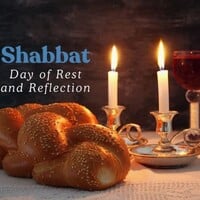
Friday is a day of preparation in many Jewish households. Food is prepared, the house is made ready and the table is set for the Shabbat meal. For many families, the transition into Shabbat begins with lighting the Shabbat candles. Afterwards, people may go to the synagogue or continue welcoming Shabbat at home. When everyone sits down at the table, a special atmosphere begins that is characteristic of Friday evening. In many families, several songs and prayers are sung before Kiddush is recited. A well-known part of this tradition is Eshet Chayil – “a woman of valor” or “a woman of noble character.” This is a passage from Proverbs 31:10–31 that praises the qualities and dedication of a woman. In many families, Eshet Chayil is sung on Friday evening as an expression of appreciation for the woman and mother within the family.
Eshet Chayil
My favorite piyut is Eshet Chayil. The text is structured as a Hebrew alphabetical acrostic: the successive verses begin with the letters of the Hebrew alphabet, from Aleph to Tav. In the poem, the woman is honored for her wisdom, dedication and care for her family. She is described as someone who works hard, takes responsibility and contributes to the stability of the home. After a week in which everyone has been busy, I think it is a beautiful idea to consciously take time on Friday evening to express appreciation. The transition into Shabbat is therefore not only a religious moment, but also an opportunity for the family to appreciate one another.
How Does Kiddush Take Place?
After the songs and prayers, Kiddush begins. The most important part is the blessing over the wine or grape juice. On Friday evening, the cup is filled and the Kiddush text is recited. The text begins with the passage Vayechulu, which looks back on the completion of creation and the rest on the seventh day. This is followed by the blessing over the wine and the sanctification of Shabbat. Once Kiddush has been recited, the person who recited it drinks from the wine or grape juice. The other people present may then drink from it as well. The bread is then blessed with the Hamotzi, the traditional blessing over bread. Only after this does the meal begin.
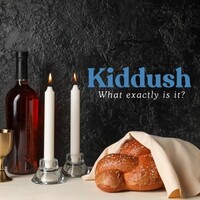
A notable part of the table setting is that the challah loaves remain covered during Kiddush. Among other things, this is a way of honoring the bread while the blessing over the wine is recited first.
Blessing the Wine
A special cup, often called a Kiddush cup, is used for Kiddush. It is filled with wine or grape juice. The Friday evening Kiddush begins with the passage Vayechulu. It tells how God rested on the seventh day after creating the world. The blessing over the wine is then recited:
Borei pri hagafen – the blessing over the fruit of the vine. This is followed by the actual sanctification of Shabbat. Among other things, Shabbat is connected with creation and the Exodus from Egypt. In many families, the invitation “Savri maranan” is said before the blessing. Those present traditionally respond with “L'chaim,” which literally means “to life.” After the blessing, the person who recited Kiddush drinks from the cup. The other people present may then drink the wine or grape juice as well.
Good to know: Kiddush does not have to be made with alcoholic wine. Grape juice is also suitable for Kiddush.
The Bread Remains Covered
During Kiddush, the two challah loaves remain covered. This is not simply a practical custom. Covering the challot has a symbolic meaning and is a way of protecting and honoring the bread while the wine is blessed first. After Kiddush, the covering is removed and the Hamotzi, the blessing over the bread, is recited. The blessing begins with: Hamotzi lechem min ha'aretz – “He who brings bread forth from the earth.” After this blessing, the bread may be eaten and the Shabbat meal begins.
Why Are There Two Challot?
On Shabbat, two challah loaves are traditionally placed on the table. These two loaves commemorate the double portion of manna that the Israelites, according to biblical tradition, received before Shabbat. During the six days of the week, the Israelites gathered manna for that day. On Friday, they received a double portion so that they would not have to gather manna on Shabbat itself. The two challot on the Shabbat table commemorate this story and are therefore an important part of the Shabbat meal.
Kiddush: A Moment to Welcome Shabbat
For me, Kiddush is more than just a series of blessings. It is a moment when the busyness of the week gives way to the peace of Shabbat. The table is set, the candles are burning, the family is together, and the wine or grape juice is blessed. The bread is then blessed and the meal begins. In this way, Shabbat is not only announced, but also consciously experienced. And that is precisely what makes Kiddush so special: it is a moment to pause and reflect on what truly matters, together with family and friends.
For at home
With Barkan 7th Day Sacramental (Kinor), you can enjoy a delicious sweet red wine from Israel at home. This wine is perfect as a Shabbat wine and is therefore also a wonderful choice for Kiddush.
If you prefer not to use wine, Tirosh Grape Juice is a great alternative. This bright red grape juice is made from 100% juice and has fresh flavors of forest fruits and currants. Grape juice can also be used for Kiddush.