 Blog
Blog

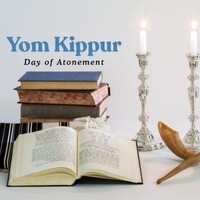
Yom Kippur is the holiest day in Judaism. It is a day of reflection, prayer, fasting, repentance and forgiveness. Loosely translated, Yom Kippur means “Day of Atonement.” On this special day, Jewish people reflect on their actions over the past year and on their relationship with God and with other people. On Yom Kippur, many Jewish adults fast for approximately 25 hours. The body is deliberately deprived of certain physical needs and comforts. This shifts the focus from the physical to the spiritual, creating space for prayer, reflection and a deeper connection with God.
The Torah speaks of “afflicting the soul” on Yom Kippur. Within Jewish tradition, this is understood through five forms of abstention that apply on this day. Their purpose is to step away from physical comfort and focus more fully on reflection and spirituality. Throughout the year, Jewish people take care of their physical needs. On Yom Kippur, they consciously set these needs aside. By temporarily abstaining from food, drink and other physical pleasures, the focus shifts more towards the soul and the relationship with God.
The Yom Kippur fast is based on an explicit commandment in the Torah. Yom Kippur falls on the tenth day of the Jewish month of Tishrei, ten days after Rosh Hashanah. In 2026, Yom Kippur begins at sunset on Sunday, September 20, and ends after sunset on Monday, September 21. ‘Making peace with God’ is central to this special day in Judaism. Yom Kippur is not a day of mourning, but rather a holy day dedicated to atonement, forgiveness and a new beginning. According to Jewish tradition, it is a time when people focus especially deeply on God, examine their own actions and ask for forgiveness. Yom Kippur is also connected to the story of Moses, who came down from Mount Sinai with the second set of tablets of the Covenant after his time on the mountain.
What Is the Origin of Yom Kippur?
The tenth day of the month of Tishrei is referred to in the Torah as the Day of Atonement. Yom Kippur is described in, among other books, Leviticus and Numbers, where the day is associated with atonement, abstaining from work, fasting and the sacrificial service that took place during the time of the Temple. Leviticus 16 describes how atonement was made for the people on this special day. This passage forms an important basis for the meaning of Yom Kippur as a day of atonement and purification. Today, the most important Yom Kippur practices take place in the synagogue and at home. Prayer, reflection, fasting and asking for forgiveness are central.
Mitzvot and Customs During Yom Kippur
The purpose of Yom Kippur is to step away from physical comfort and focus as much as possible on prayer, reflection and the relationship with God. In addition to the five specific abstentions, the rules concerning the Sabbath also apply on Yom Kippur. For example, using fire and various forms of work are prohibited. There are five important forms of abstention specifically associated with Yom Kippur.
1. Prohibition of Eating and Drinking
During Yom Kippur, people fast: no food or drink is consumed. This is the best-known and most important abstention of the day. Fasting is not only intended as an act of repentance. It also helps people step away from physical needs and focus their attention on prayer, reflection and spirituality. The fast lasts from the beginning of Yom Kippur until after sunset the following day, for approximately 25 hours. Exceptions apply to children, older people and those who cannot fast for health reasons. Health always comes first, and when in doubt, it is important to seek medical advice and guidance from a qualified rabbi.
2. Prohibition of Bathing
On Yom Kippur, bathing or washing for pleasure is not permitted. Once again, the purpose is to temporarily set aside physical comfort. This does not mean that a person cannot wash at all. If part of the body becomes dirty or washing is necessary for another permitted reason, exceptions apply. The main principle is to avoid washing for comfort or pleasure.
3. Prohibition of Applying Oils and Lotions
On Yom Kippur, applying oil, creams or lotions to the body is not permitted when done for comfort or personal care. Exceptions apply for medical reasons. Medical necessity naturally takes priority over the fasting rules and other forms of abstention.
4. Prohibition of Wearing Leather Shoes
On Yom Kippur, leather shoes are not worn. This is in keeping with the idea of limiting physical comfort as much as possible on this day. Many people therefore choose simple shoes or other footwear without leather. The purpose is not literally to feel the ground beneath your feet, but to avoid the comfort and luxury associated with leather shoes.
5. Prohibition of Marital Intimacy
During Yom Kippur, marital intimacy is not permitted. This is also one of the five physical pleasures from which people abstain on this day. The purpose of these abstentions is to temporarily shift attention away from physical pleasure and create space for prayer, reflection and the spiritual meaning of Yom Kippur.
Drawing Closer to God by Making Space for the Soul
All five forms of abstention on Yom Kippur relate to physical comfort. By temporarily stepping away from these comforts, Jewish tradition teaches that there is more space for the soul. Yom Kippur is a day when people deeply reflect on their relationship with God, their own behavior and the way they live their lives. Fasting and the other forms of abstention are not an end in themselves, but help shift the focus from the physical to the spiritual.
Other Customs
Some Jewish communities have a tradition of wearing white clothing on Yom Kippur. White symbolizes purity and cleanliness and can also refer to the image of angels, who have no physical needs. Some people also avoid wearing gold jewelry on Yom Kippur. This is associated with the story of the golden calf in the wilderness. Another custom that takes place before Yom Kippur is kapparot. This practice symbolically reflects on sin and atonement. In some communities, money is used for this purpose and is then donated to charity. Traditionally, a chicken was also used, but practices vary between communities.
An important part of preparing for Yom Kippur is the final meal before the fast. This meal is often light but nutritious. Many people drink plenty of water and choose foods that are easy to digest, so they can begin the fast as comfortably as possible. Heavy or very salty foods and alcohol are often avoided. Before Yom Kippur begins, women traditionally light candles and recite the appropriate blessing. In addition, many families light a memorial candle. This candle burns throughout Yom Kippur and is lit in memory of deceased family members.
For Nati, the combination of reflection, family and tradition is what makes Yom Kippur so special. Drawing on his Israeli background, he finds it meaningful to explain the traditions and the deeper ideas behind them. Although specific customs may differ between families and communities, the same core message lies at the heart of Yom Kippur everywhere: to pause, ask for forgiveness, seek reconciliation and consciously make a new beginning.
For at home after the fast
Barkan 7th Day Sacramental (Kinor) is a delicious sweet red wine from Israel and is a fitting choice for Havdalah at the end of Yom Kippur.
Elite Coffee (Instant) 200g is a popular Israeli instant coffee with a mild, slightly sweet flavor. It is perfect for enjoying a warm cup of coffee after the fast.